




Perfume Addiction: Habit, Personality & the Power of Fragrance
Perfume is more than a finishing touch. It is an extension of personality, mood and identity. Discover why a simple love for fragrances can become a meaningful part of everyday life.
Perfume is more than just a finishing touch. It is an extension of personality, mood and identity. For many people, what starts as a simple interest in fragrances slowly turns into what is often called perfume addiction. But is this really a bad thing, or can it actually be a positive lifestyle trait?
Let's explore what perfume addiction means, real-life patterns behind it, and why a genuine passion for fragrance can reflect interesting aspects of personality.

What Is Perfume Addiction?
Understanding the everyday habits of fragrance enthusiasts.
Perfume addiction is often used informally to describe a strong interest in fragrances. It does not necessarily mean a harmful dependency. In many cases, it refers to habits such as:
- Collecting multiple fragrances for different occasions.
- Using perfume daily, sometimes applying it more than once.
- Being highly aware of scent, mood and personal presence.
A Daily Fragrance Ritual
For fragrance lovers, perfume becomes a daily ritual, much like dressing well or following a grooming routine. Choosing a particular scent can become an enjoyable part of getting ready for the day.

The Corporate Professional
A 32-year-old marketing executive developed a habit of wearing different perfumes based on meetings and occasions. Instead of using the same fragrance every day, he selected scents according to the setting.
- Fresh citrus scents for daytime presentations.
- Woody fragrances for evening networking.
Over time, colleagues began associating him with a distinct, pleasant presence. His fragrance became part of his personal identity.

The Creative Individual
A designer in her late 20s built a collection of over 25 perfumes. She described fragrances as her invisible accessory, choosing different scents to complement her mood and creativity.
- Floral scents when feeling calm.
- Fruity notes for energetic days.
- Musky tones for evenings.
She used fragrance as a way to express her personality and creativity, treating each scent as another form of self-expression.

The Everyday User
A field worker who spends long hours outdoors started using long-lasting perfumes regularly. For him, fragrance was not about collecting luxury products. It was about feeling fresh and confident throughout the day.
- Helped him feel fresh throughout the day.
- Improved his confidence in social interactions.
- Became part of his daily routine.
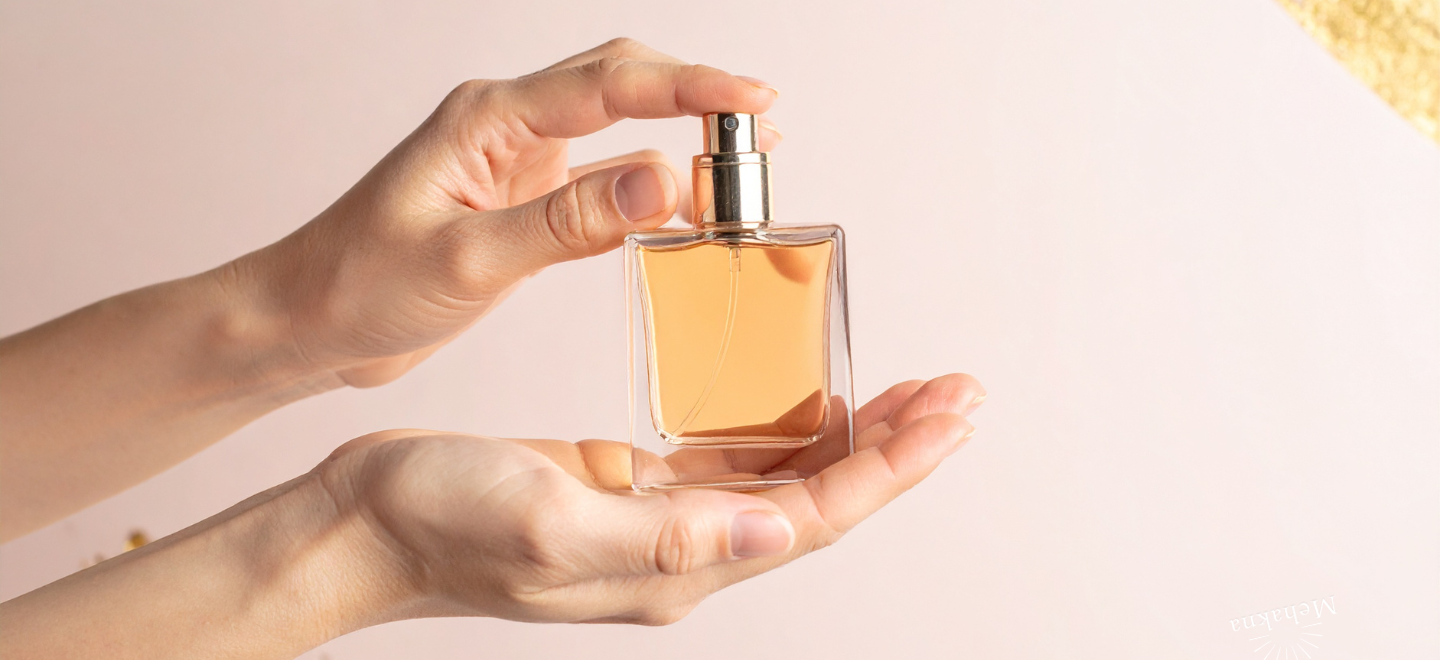
Why Perfume Addiction Can Be a Good Habit
How a love for fragrance can contribute to everyday experiences.
Enhances Personal Identity
People who consistently wear perfume often develop a signature scent, making their personal presence more recognisable and memorable.
Boosts Confidence
Smelling good can improve how you feel about yourself. A favourite fragrance can create a sense of readiness, comfort and personal polish.
Improves Social Presence
A pleasant fragrance can contribute to a positive impression in both professional and personal settings, when applied thoughtfully.
Encourages Grooming Discipline
Wearing perfume regularly can become part of a broader personal care routine that includes:
- Better hygiene habits.
- Attention to detail.
- Structured grooming routines.
Creates Emotional Connections
Fragrances are closely associated with memories and personal experiences. A familiar scent can bring back meaningful moments and positive associations.
- Can influence mood.
- Can create comforting associations.
- Can make everyday routines more enjoyable.

When Does It Become Too Much?
Like any habit, balance is important. A passion for perfume can become excessive when it starts affecting your comfort, finances or the people around you.
Watch out for habits such as:
- Over-applying perfume and causing discomfort to others.
- Purchasing fragrances impulsively without a clear purpose.
- Using perfume to mask poor hygiene instead of complementing it.
The key is mindful usage, not restriction. Enjoy discovering fragrances while keeping your collection, spending and application habits balanced.
Final Thoughts: More Than Just a Fragrance
Perfume addiction, when understood as a passion for fragrance, is not necessarily a negative trait. It can reflect someone who values self-presentation, confidence and personal expression. From professionals to creative individuals to everyday fragrance users, scent can play a meaningful role in shaping how people feel and how they are perceived.
In the end, wearing perfume is not just about smelling good. It is about feeling good, expressing yourself and leaving a lasting impression.
So, if you find yourself reaching for your favourite fragrance every day, it might not be an addiction. It might simply be a well-developed sense of personal style and identity.
Frequently Asked Questions
Common questions about perfume habits and fragrance lovers.
What does perfume addiction mean?
Perfume addiction is an informal term used to describe a strong interest in fragrances, such as collecting perfumes, trying different scents and wearing them regularly.
Is wearing perfume every day a good habit?
Wearing perfume daily can be an enjoyable part of personal grooming. The important thing is to apply it moderately and choose fragrances appropriate for the occasion.
Why do people collect so many perfumes?
People collect fragrances for different reasons, including personal expression, scent exploration, memories, changing moods and having different options for various occasions.
Can perfume improve confidence?
A favourite fragrance can help someone feel more prepared, comfortable and confident. The experience is personal and varies from one individual to another.
How many times should you apply perfume in a day?
There is no fixed number. It depends on the fragrance, its performance, your activity and the environment. Follow the product instructions and avoid excessive application, especially in shared spaces.
When does collecting perfumes become excessive?
It may become a concern when purchases are difficult to control, affect your finances or create unnecessary stress. Keeping a sensible budget can help make fragrance collecting an enjoyable hobby.
Perfume Addiction: Habit, Personality, and the Power of Fragrance
Perfume is more than just a finishing touch—it is an extension of personality, mood, and identity. For many people, what starts as a simple interest in fragrances slowly turns into what is often called “perfume addiction.” But is this really a bad thing, or can it actually be a positive lifestyle trait?
Let’s explore what perfume addiction means, real-life patterns behind it, and why it can reflect strong personality traits.
What is Perfume Addiction?
Perfume addiction doesn’t necessarily mean something harmful. In most cases, it refers to:
-
Collecting multiple fragrances
-
Using perfume daily (sometimes multiple times)
-
Being highly aware of scent, mood, and presence
For fragrance lovers, perfume becomes a daily ritual, much like dressing well or grooming.
Case Study 1: The Corporate Professional
A 32-year-old marketing executive developed a habit of wearing different perfumes based on meetings and occasions.
-
Fresh citrus scents for daytime presentations
-
Woody fragrances for evening networking
Over time, colleagues began associating him with a distinct, pleasant presence. His fragrance became part of his identity.
👉 Insight: His “addiction” actually enhanced his confidence and professional image.
Case Study 2: The Creative Individual
A designer in her late 20s built a collection of over 25 perfumes. She described fragrances as her “invisible accessory.”
-
Floral scents when feeling calm
-
Fruity notes for energetic days
-
Musky tones for evenings
She used fragrance as a way to express mood and creativity.
👉 Insight: Perfume became a tool for emotional expression, not just a habit.

Case Study 3: The Everyday User
A field worker who spends long hours outdoors started using long-lasting perfumes regularly.
-
Helped him stay fresh throughout the day
-
Improved his confidence in social interactions
-
Became part of his daily routine
👉 Insight: For him, perfume wasn’t luxury—it was practical self-care.

Why Perfume Addiction Can Be a Good Habit
1. Enhances Personal Identity
People who consistently wear perfume often develop a signature scent, making them more memorable.
2. Boosts Confidence
Smelling good naturally improves self-esteem. It creates a sense of readiness and polish.
3. Improves Social Presence
A pleasant fragrance can leave a lasting impression in both professional and personal settings.
4. Encourages Grooming Discipline
Using perfume regularly is often linked with:
-
Better hygiene
-
Attention to detail
-
Structured routines
5. Emotional Connection
Fragrances are strongly tied to memory and mood. A good scent can:
-
Reduce stress
-
Improve mood
-
Create positive associations

When Does It Become Too Much?
Like any habit, balance is important. Perfume use can become excessive if:
-
Over-applied (causing discomfort to others)
-
Purchased impulsively without purpose
-
Used to mask poor hygiene instead of complementing it
The key is mindful usage, not restriction.

Final Thoughts
Perfume addiction, when understood correctly, is not a negative trait. It is often a reflection of someone who values self-presentation, confidence, and personal expression. From professionals to creatives to everyday individuals, fragrance plays a meaningful role in shaping how people feel and how they are perceived.
In the end, wearing perfume is not just about smelling good—it’s about feeling good, expressing yourself, and leaving a lasting impression. So if you find yourself reaching for your favorite fragrance every day, it might not be an addiction—it might just be a well-developed sense of identity.