




Perfume Maceration Process | Time | Temperature: Complete Guide
If you have ever blended a perfume and felt something was missing, or wondered why a newly made fragrance smells harsh and disconnected, maceration is your answer.
It is the one step most people skip, and it is the reason some perfumes smell extraordinary while others never quite come together.
This guide covers everything — what maceration is, why it matters, how long it takes, what temperature to use, and how to do it correctly at home.
What is Perfume Maceration?
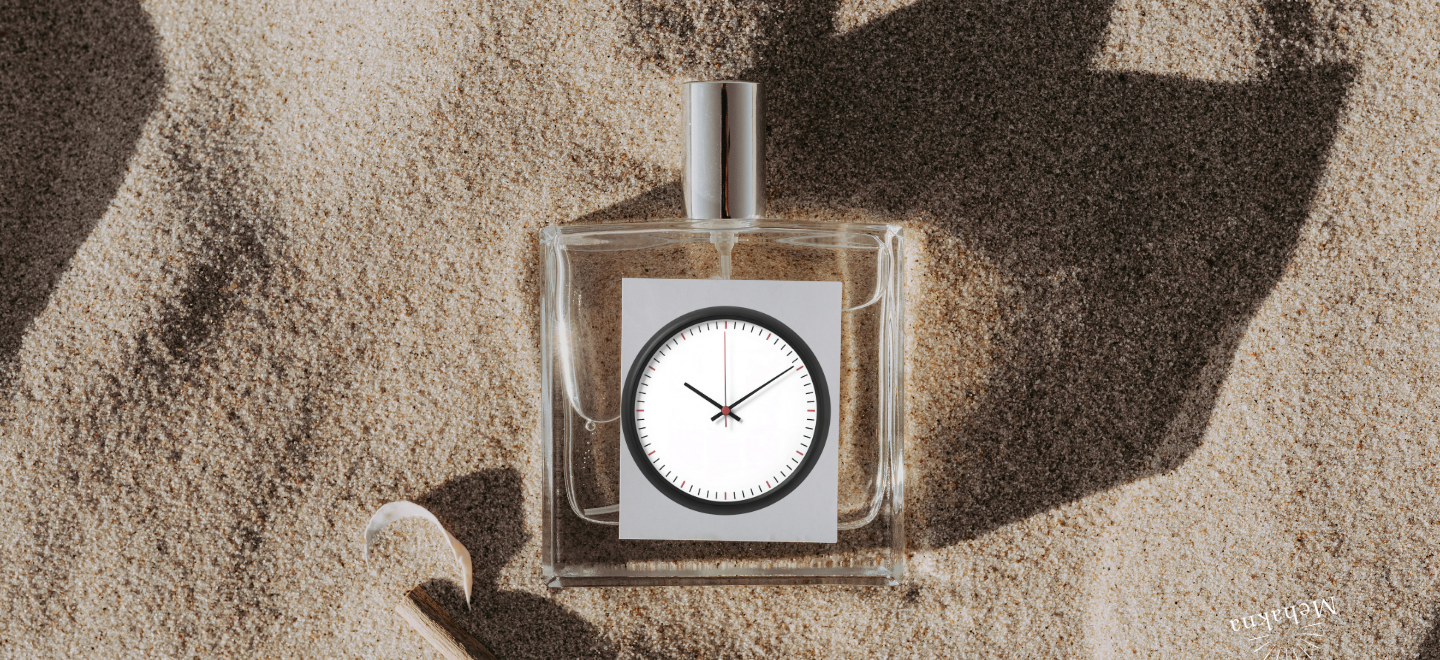
Perfume maceration is the resting period after a fragrance has been blended. Once the fragrance oils and alcohol are combined, the mixture needs time to settle. During this period, the molecules from different ingredients slowly bond together, the harsh edges of the alcohol soften, and the top, heart, and base notes stop competing and start working as one.
Think of it like a curry or a stew. The day you cook it, it tastes fine. The next day, after everything has had time to sit together, it tastes completely different. Richer. More complete. Perfume maceration works the same way.
Without maceration, a fragrance smells unbalanced. The top notes are too sharp, the base notes are buried, and the alcohol dominates everything. With proper maceration, the same formula can smell professional, smooth, and well-rounded.
Why Maceration Matters More Than Most People Think
A lot of DIY perfumers focus entirely on the formula — the ratio of notes, the choice of ingredients, the concentration. These things matter. But even a well-crafted formula will underperform without time.
Maceration does three things that no amount of tweaking your formula can replace.
- First, it allows the fragrance molecules to bind with the alcohol properly. This improves how the scent diffuses when you spray it on skin.
- Second, it softens and blends the individual ingredients. Ingredients that smell sharp or synthetic on their own begin to smooth out and integrate.
- Third, it develops the fragrance. Certain aromatic compounds only emerge after extended resting. A base note that is barely detectable on day one may become the heart of the fragrance by week six.
What is the Best Temperature for Perfume Maceration?
Temperature plays a critical role in how effectively the maceration process works.
Ideal Temperature:
-
Cool and stable environment (15°C to 20°C)
Why Temperature Matters:
-
High temperatures can break down delicate fragrance compounds
-
Low temperatures slow down the blending process
-
Fluctuating temperatures can affect consistency
A controlled environment ensures that the perfume develops evenly without losing its original character.
How Long Should Perfume Macerate?
This is the most common question, and the honest answer is — it depends on the fragrance. But here are clear guidelines to follow.
Minimum maceration time is two to four weeks. At this stage, the alcohol has softened and the top notes have started to settle. The fragrance is wearable but not fully developed.
Recommended maceration time is four to eight weeks. This is where most fragrances reach a balanced, well-rounded state. The notes have married, the sillage improves, and the longevity on skin increases noticeably.
Optimal maceration time is three to six months. For complex blends with natural ingredients, resins, oud, or balsams, this extended period creates a depth and smoothness that shorter maceration simply cannot produce. Luxury perfume houses regularly macerate for this long, and some macerate premium compositions for up to a year.
As a practical rule, the heavier and more complex the formula, the longer it needs. A light citrus or clean floral may be ready in four weeks. A deep oriental or resinous blend may need three months before it reaches its full potential.
Maceration Time by Fragrance Type
In addition to time and temperature, storage conditions also impact maceration.
Different fragrance families need different resting periods. Here is a straightforward breakdown.
- Citrus and Fresh Fragrances — two to four weeks. These are light blends with volatile top notes. They come together quickly but can benefit from a little extra time if they smell sharp initially.
- Floral Fragrances — four to six weeks. Floral blends often need this window for the individual flower notes to stop smelling separate and start smelling like a cohesive bouquet.
- Woody and Spicy Fragrances — six to ten weeks. Wood and spice ingredients are dense and slow to integrate. Rushing this type of fragrance is the most common reason a woody perfume smells rough or uneven.
- Oriental, Resinous and Oud Fragrances — three to six months or longer. These are the most complex and ingredient-rich categories. They genuinely reward patience. A fragrance in this family that has macerating for six months will smell dramatically different and better than the same formula at four weeks.
Maceration Time by Concentration
The concentration of your fragrance also affects how long it needs.
- Eau de Cologne at two to five percent concentration needs two to three weeks.
- Eau de Toilette at five to fifteen percent concentration needs three to five weeks.
- Eau de Parfum at fifteen to twenty percent concentration needs four to eight weeks.
- Parfum or Extrait at twenty percent and above needs eight weeks to six months.
Higher concentration means more fragrance oil relative to alcohol, which means more molecular activity happening during maceration. These take longer but the result is more noticeable.
What Happens During Maceration?
The process involves subtle chemical changes that improve the overall quality of the perfume:
1. Blending of Notes
Top, heart, and base notes begin to merge, creating a smoother transition.
2. Reduction of Alcohol Sharpness
Fresh blends often smell harsh due to alcohol. Maceration softens this effect.
3. Enhancement of Base Notes
Heavier notes become more pronounced, improving longevity and depth.
Why Maceration is Important
 Improves Smoothness
A well-macerated perfume feels soft and refined rather than sharp.
Enhances Longevity
Better integration of ingredients leads to longer-lasting performance.
Boosts Projection
The fragrance spreads more evenly, creating a better scent trail.
Ensures Consistency
Proper maceration ensures every batch smells the same.
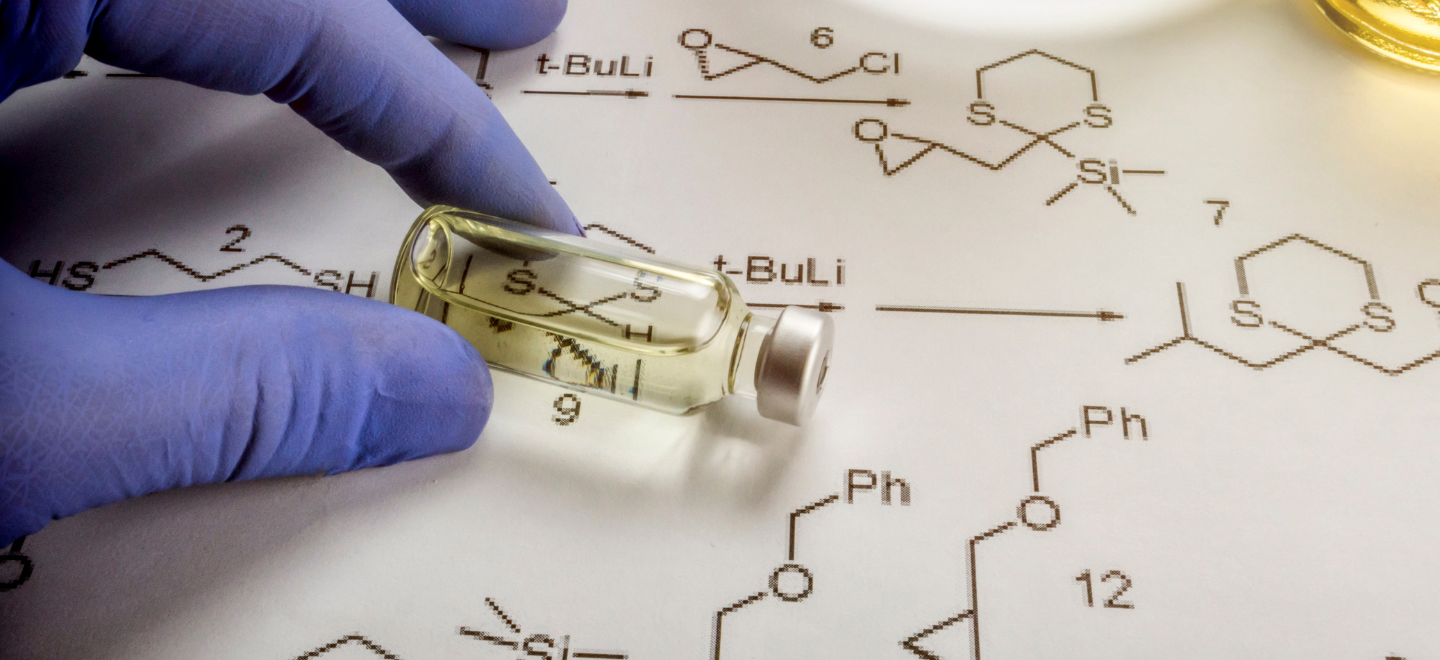
How to Know When Maceration is Complete
There is no exact timer. Maceration is complete when the fragrance smells the way you intended it to smell — balanced, smooth, and coherent from top to dry-down.
Signs that maceration is complete include the top notes feeling softer and less sharp than when you first blended, the base notes becoming more present and detectable in the first few minutes of wear, the overall fragrance smelling like one thing rather than several competing ingredients, and the longevity on skin improving compared to early tests.
If you are still detecting harsh alcohol or the notes still feel disconnected, give it more time. Two more weeks often makes a significant difference.
What Happens Without Proper Maceration?
Skipping or rushing this process can result in:
-
Unbalanced fragrance
-
Weak performance
-
Short lifespan
-
Poor user experience
This is often the case with low-quality or mass-produced perfumes that prioritize speed over quality.
Traditional vs Modern Maceration
Traditional Approach:
-
Longer resting periods
-
Natural environmental conditions
-
Focus on craftsmanship
Modern Approach:
-
Controlled temperature environments
-
Faster processes using technology
-
Still dependent on time for best results
Despite advancements, time remains irreplaceable in achieving high-quality perfumes.
How to Speed Up Perfume Maceration
If you want to accelerate the process, there are a few legitimate techniques.
Storing the bottle at a slightly warmer temperature — between 22 and 28 degrees Celsius — can speed up molecular activity. Be careful not to go above this range, especially with citrus or floral ingredients.
Gentle daily swirling rather than every few days also helps keep the process moving.
The freezer shocking technique mentioned earlier is another option that some perfumers swear by.
Some professional perfumers use ultrasonic devices that create vibrations in the liquid to accelerate blending. This is not a common home tool but it is worth knowing exists if you get serious about DIY perfumery.
Common Mistakes to Avoid
Storing the bottle in direct sunlight is the most damaging thing you can do during maceration. UV light breaks down fragrance molecules and alters the scent permanently.
Using a clear glass bottle during maceration also exposes the fragrance to light. Always use dark amber or cobalt glass.
Shaking too hard can introduce excess oxygen into the mixture and cause oxidation, which changes the smell of certain ingredients over time.
Testing too early and then concluding that a formula is flawed is a mistake many beginners make. A fragrance at one week almost never represents what it will be at six weeks. Be patient before deciding to change the formula.
Final Thoughts
The perfume maceration process is one of the most important steps in fragrance creation. It ensures that the perfume evolves from a raw mixture into a smooth, balanced, and long-lasting scent.
By carefully controlling time and temperature, perfumers can enhance every aspect of a fragrance—from its opening to its dry-down.
In the end, a great perfume is not just made—it is matured. And maceration is the silent process that brings that transformation to life.
Frequently Asked Questions
- What is perfume maceration?
Perfume maceration is the resting process where blended fragrance oils and alcohol are stored in a sealed dark bottle over several weeks. During this time the ingredients bond, the alcohol softens, and the fragrance develops into a balanced, cohesive scent. - How long does perfume maceration take?
The minimum is two to four weeks. Most fragrances are well-developed between four and eight weeks. Complex or natural-heavy blends benefit from three to six months. - What temperature is best for perfume maceration?
Between 15 and 20 degrees Celsius is the ideal range. It is cool enough to protect ingredients and stable enough to allow the blending process to happen consistently. - Should I shake my perfume during maceration?
Gentle swirling every two to three days is recommended. Avoid hard shaking as this can introduce excess oxygen and cause oxidation. - Can I macerate perfume at room temperature?
Yes, if room temperature stays consistently between 15 and 24 degrees Celsius. Avoid rooms with significant temperature variation or exposure to sunlight. - What happens if I do not macerate my perfume?
The fragrance will smell unbalanced. The alcohol will be sharp, the notes will feel disconnected, and the base notes will not come through properly on skin. - How do I know maceration is complete?
The fragrance smells smooth and cohesive, the top notes are not harsh, the base notes are detectable early in the dry-down, and the longevity on skin has improved compared to your early test results. - How can I speed up perfume maceration?
Store at a slightly warmer temperature between 22 and 28 degrees Celsius, swirl daily, and try the freezer shocking technique after the first week or two.