





Attar vs Perfume: Key Differences in Fragrance, Longevity and Application
Fragrance comes in many forms, from traditional perfume oils to contemporary spray bottles. Although both are designed to add a beautiful scent to your day, their formulation, application and overall experience can be quite different.
Understanding these differences can help you choose a fragrance that suits your lifestyle, personal preferences and the occasions you wear it for.
Quick answer: Attar is generally an oil-based fragrance applied in small amounts, while many conventional perfumes are alcohol-based sprays. Neither is automatically better. Ingredients, concentration and formulation determine how a particular fragrance performs.

What Is Perfume?
Perfume is a fragrance product created by blending aromatic ingredients into a suitable base. Many modern spray fragrances use alcohol to carry and distribute the scent. After application, the alcohol evaporates, allowing the fragrance to develop on the skin.
Spray fragrances are available in several concentration categories, including Eau de Cologne (EDC), Eau de Toilette (EDT), Eau de Parfum (EDP) and parfum. These terms generally indicate differences in fragrance concentration, although exact percentages and performance vary between manufacturers.
Key Characteristics
- Many conventional spray fragrances use an alcohol-based formula.
- Spray application distributes fragrance across a wider area.
- Projection can range from subtle to very noticeable.
- Available in fresh, floral, woody, citrus, spicy and gourmand profiles.
- Offered in different concentrations and bottle formats.
A spray fragrance can be a convenient option for everyday wear, professional settings, parties and special occasions. Its scent trail and wear time depend on the actual formulation, the amount applied and the surrounding environment.

What Is Attar?
Attar, also known as ittar, is a traditional fragrance oil. Depending on its type, it may be created using botanical materials, traditional distillation methods, blended fragrance ingredients or a combination of aromatic materials in an oil base.
Traditional production can involve distilling flowers, herbs, spices and woods to capture their aromatic compounds. In India, Kannauj is particularly well known for its heritage of traditional fragrance making and the use of the degh-bhapka distillation method.
Modern fragrance oils can also use contemporary ingredients and production techniques. Therefore, the exact composition of an individual product should always be checked on its label.
Key Characteristics
- Generally oil-based and often available in alcohol-free formulations.
- Usually applied by dabbing or using an applicator.
- Can create a subtle skin scent or noticeable projection.
- Available in woody, floral, musky, amber and many other styles.
- Closely associated with traditional Indian and Middle Eastern perfumery.
For people who enjoy traditional fragrance styles and precise application, perfume oils offer a distinctive way to experience fragrance. If alcohol-free status is important, check the product's ingredient information rather than relying only on its name.
Read more in our guide to non-alcoholic perfume.

Key Differences Between the Two Fragrance Formats
The biggest distinction is usually the product's base and method of application. The comparison below explains what you can generally expect, while keeping in mind that individual formulations can differ.
| Feature | Attar | Perfume |
|---|---|---|
| Typical base | Usually an oil-based formulation | Many conventional sprays use an alcohol-based formulation |
| Application | Dabbed or applied with an applicator | Commonly sprayed onto skin or suitable clothing |
| Projection | Can be subtle or strong | Can range from intimate to noticeable |
| Longevity | Depends on ingredients, formula and skin | Depends on concentration, formula and skin |
| Fragrance styles | Traditional, woody, floral, musky and modern blends | Fresh, floral, woody, citrus, spicy and gourmand |
| Amount used | Often a small amount is sufficient | Depends on spray strength and desired intensity |
| Application experience | Precise, controlled application | Quick and convenient spray application |
| Alcohol-free options | Many are formulated without alcohol | Alcohol-free formats are also available |
These are general characteristics, not universal rules. Always check the ingredients and instructions for the specific fragrance.
1. Composition: Fragrance Oil vs Alcohol-Based Formulas
One of the most important differences is the base used to carry the aromatic ingredients. Traditional perfume oils and modern spray fragrances can use different combinations of materials to create their final scent.
Attar Composition
Depending on the formulation, an attar may contain aromatic oils, botanical extracts, fragrance ingredients and a carrier oil. Traditional varieties may use natural materials, while modern blends can incorporate contemporary fragrance ingredients.
Perfume Composition
Many conventional spray fragrances combine aromatic ingredients with alcohol and may also contain water or other supporting ingredients. The formulation helps determine how the fragrance sprays, develops and performs.
Important: Not every attar is made entirely from natural ingredients, and not every perfume is alcohol-based. If a particular ingredient or formulation matters to you, verify the product label or ask the manufacturer.
2. How Do You Apply Attar and Perfume?
The application method can influence how convenient a fragrance feels to use and how much product you need. Both formats can be part of a daily routine.
How to Apply Attar
- Start with a very small amount.
- Gently dab it onto suitable pulse points, such as the wrists or neck.
- Avoid rubbing the applied oil vigorously.
- Follow the product instructions and avoid irritated skin.
How to Apply Perfume
- Follow the recommended spray instructions.
- Spray from a suitable distance to distribute the mist.
- Avoid the eyes and broken or irritated skin.
- Check fabric care instructions before spraying clothing.
Oil application offers precision, while a spray bottle can cover a larger area quickly. Your choice may simply come down to which experience you prefer.
3. Which One Lasts Longer?
Many fragrance lovers assume that an oil-based product will always last longer than a spray. However, there is no universal rule. Some attars remain noticeable for a long time, while certain spray fragrances can offer excellent wear time too.
Longevity depends on several factors, including aromatic ingredients, concentration, volatility, application amount, skin type, weather and individual body chemistry.
What should you compare? Test the individual fragrance on your skin where possible. Observe its opening, development and remaining scent over several hours. The product category alone cannot guarantee a specific number of hours.
If lasting performance is your priority, compare individual products rather than assuming that every oil-based fragrance will outlast every spray.
4. Projection and Sillage: Which Is More Noticeable?
Projection describes how far a fragrance can be smelled from the wearer. Sillage refers to the scent trail left behind as someone moves. Both qualities depend on the fragrance composition and how it is applied.
Attar Projection
Some perfume oils create a soft, intimate scent that stays close to the skin. Others can have strong projection and be noticeable to people nearby. Their behaviour depends on the specific ingredients and formulation.
Perfume Projection
Spray fragrances can create a noticeable scent cloud immediately after application. Their projection may become softer as the fragrance develops. Some are designed for subtle wear, while others make a stronger impression.
For offices and close-contact environments, a lighter application may be appropriate. For celebrations and evening occasions, you may prefer a fragrance with more noticeable projection.

When Should You Choose Attar?
Perfume oils can be a good choice if you enjoy traditional fragrance styles, prefer applying a small amount at a time or appreciate the experience of oil-based scents.
- Traditional fragrance profiles: Explore woody, musky, floral and oriental styles.
- Controlled application: Apply a small amount to selected pulse points.
- Personal fragrance: Choose a scent that reflects your taste and routine.
- Special occasions: Wear a suitable fragrance for gatherings, celebrations and evenings.
- Alcohol-free preference: Check the product label if you specifically require an alcohol-free formulation.
- Fragrance layering: Experiment with compatible scents to create a personalised combination.
These fragrances are not limited to religious or traditional settings. Contemporary varieties are available in a wide range of scent profiles and can be worn every day.
Explore Mehakna's attar collection to discover different fragrance styles.

When Should You Choose Perfume?
A spray fragrance may be a better fit if you prefer quick application, want to distribute the scent across a wider area or enjoy the variety of contemporary fragrance profiles available.
- Quick application: Spray without needing a separate applicator.
- Everyday wear: Choose a scent that suits your workplace and routine.
- Social occasions: Select a fragrance with the projection you prefer.
- Wide fragrance selection: Explore fresh, citrus, floral, woody, spicy and gourmand profiles.
- Different concentrations: Compare EDT, EDP and parfum products.
- Convenience: Spray bottles can be practical when getting ready or refreshing your fragrance.
A spray is not necessarily stronger or longer-lasting than an oil-based fragrance. Compare the actual product's performance, ingredients and suitability for the occasion.
5. Which Offers Better Value for Money?
The price of a fragrance depends on its brand, ingredients, concentration, bottle size and packaging. Neither format is automatically cheaper or more luxurious.
When comparing products, consider the quantity you receive, the ingredients, the recommended application amount and how frequently you use it. A small bottle of perfume oil may provide many applications because only a little is often needed. However, actual value depends on the product and your usage.
Similarly, the value of a spray fragrance depends on its price, bottle size, spray output and how often you apply it. Compare similar quantities and formulations before making a decision.
6. Are Attars Better for People Avoiding Alcohol?
Many attars are formulated without alcohol, making them an option for people who specifically prefer an alcohol-free fragrance. However, alcohol-free perfumes and other fragrance formats are also available.
If avoiding alcohol is important for personal, religious or other reasons, read the ingredient information and contact the manufacturer if the formulation is unclear. Do not assume that every product in either category has the same ingredients.
You can also read Mehakna's guide to non-alcoholic perfume for more information.

Which Fragrance Should You Choose?
The decision ultimately comes down to personal preference, formulation and how you enjoy wearing fragrance. Traditional perfume oils offer a precise application experience and a connection to centuries of perfumery, while modern spray fragrances provide convenience and a wide selection of contemporary scent profiles.
Choose an oil-based fragrance if you enjoy traditional styles and controlled application. Choose a spray if you prefer quick application and the convenience of a mist. Both can be suitable for daily wear, professional settings and special occasions.
Remember that longevity, projection and price vary from one product to another. Check the ingredients, compare the actual fragrance and choose something that suits your needs.
If you enjoy exploring traditional fragrance oils, discover the collection at Mehakna.
Explore Mehakna AttarsFrequently Asked Questions
What is the main difference between attar and perfume?
The main difference is generally the formulation and application. Attar is usually an oil-based fragrance applied by dabbing, while many conventional spray fragrances use alcohol as their base. Ingredients and performance vary by product.
Is attar better than perfume?
Neither is universally better. Attar may suit people who prefer perfume oils and controlled application, while spray fragrances may suit people who value convenience and a wide selection of spray formats. The right choice depends on your preferences.
Does attar last longer than perfume?
Not always. Some attars last longer than some spray fragrances, but longevity depends on the ingredients, concentration, formulation, skin type, climate and application amount.
Is attar alcohol-free?
Many attars are formulated without alcohol, but you should check the ingredient information for the specific product. Formulations can differ between manufacturers.
Can perfume also be alcohol-free?
Yes. Alcohol-free perfumes and fragrance products are available. Check the product label to confirm the formulation rather than relying only on the word perfume.
Which has stronger projection?
Either format can have subtle or strong projection. The result depends on the fragrance ingredients, formulation, concentration and amount applied.
Can I use attar and perfume together?
Yes. You can experiment with layering compatible fragrances. Start with a small amount of each so one scent does not overwhelm the other. Test the combination before wearing it for an event.
Can attar and perfume be worn every day?
Yes. Both can be suitable for everyday wear. Choose a fragrance intensity that fits your workplace, surroundings and personal preference, and follow the product's application instructions.
What is the difference between attar and ittar?
Attar and ittar are commonly used spellings for the same general category of traditional fragrance oil. Spelling and usage can vary across regions and languages.
Which is more affordable?
Prices vary by brand, formulation, bottle size and ingredients. Compare the quantity, price and typical amount used per application to assess which product offers better value for your budget.
-
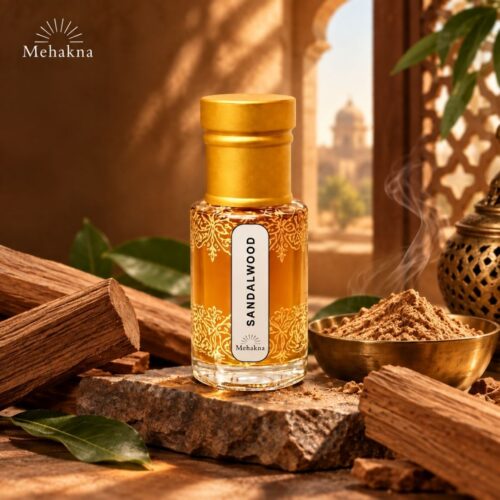 Buy now This product has multiple variants. The options may be chosen on the product page
-
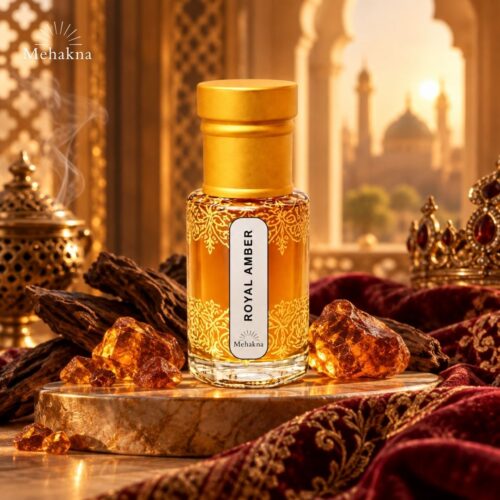 Buy now This product has multiple variants. The options may be chosen on the product page
-
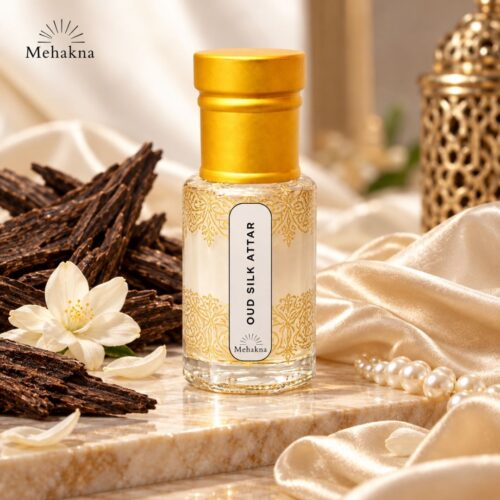 Buy now This product has multiple variants. The options may be chosen on the product page
-
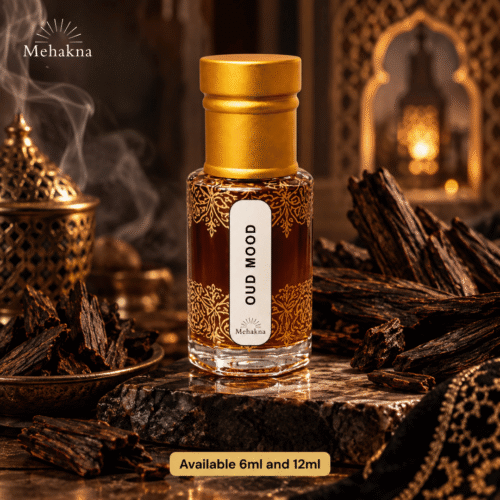 Buy now This product has multiple variants. The options may be chosen on the product page


